

Fire Cleanup vs. Full Fire Restoration: Scope, Sequence, and What Each Phase Covers

Direct Answer
Fire damage cleanup and full fire restoration are sequential phases, not competing options. Cleanup removes charred debris, unsalvageable materials, and standing water, and stabilizes the structure. Full restoration encompasses cleanup plus smoke and soot cleaning, odor neutralization, content restoration, and complete reconstruction back to pre-loss condition. Cleanup must be completed before restoration can proceed. 911 Mitigation Inc. coordinates both phases for South Florida properties so owners have one point of contact through the entire recovery.
Table of Contents
Scope Comparison
The difference between cleanup and full restoration is best understood by what each phase produces. Cleanup produces an emptied, stabilized, and documented structure. Full restoration produces a property returned to its pre-loss condition. The table below summarizes the distinction:
- Cleanup includes: safety assessment, board-up and tarping, debris removal, tear-out of charred or saturated materials, initial water extraction and drying, and documentation.
- Restoration adds: smoke and soot surface cleaning, HVAC duct cleaning, molecular odor neutralization (thermal fogging, hydroxyl, ozone), content pack-out and specialized cleaning, drywall and flooring replacement, painting and finishing, and final inspection.
- Overlap: both phases share the goal of making the property safe and habitable, but cleanup is the prerequisite, not the finish line.
A property owner who hires a company for "cleanup only" will receive a stabilized but unfinished property — exposed studs, missing drywall, an empty structure with no odor treatment and no reconstruction. A property owner who hires a company for "full restoration" receives a property that looks and smells as if the fire never happened. The price difference between these two scopes reflects the difference in work, materials, equipment, and timeline — not a difference in the quality of the cleanup phase itself.
The Correct Sequence
Attempting restoration work before cleanup is complete wastes effort and can trap odor and moisture behind new materials. The correct sequence is:
- 1. Emergency stabilization: board-up, tarping, and safety assessment immediately after the fire department releases the property.
- 2. Cleanup: debris removal, tear-out of unsalvageable materials, and water extraction with initial drying to halt secondary damage.
- 3. Smoke and soot cleaning: removal of corrosive residues from remaining surfaces and structural drying to target moisture levels.
- 4. Odor neutralization: molecular treatment of embedded smoke odor before any new finishes are applied.
- 5. Reconstruction: drywall, insulation, flooring, paint, and finishes restored to pre-loss condition.
- 6. Final inspection: verification that the property is dry, odor-free, and fully restored.
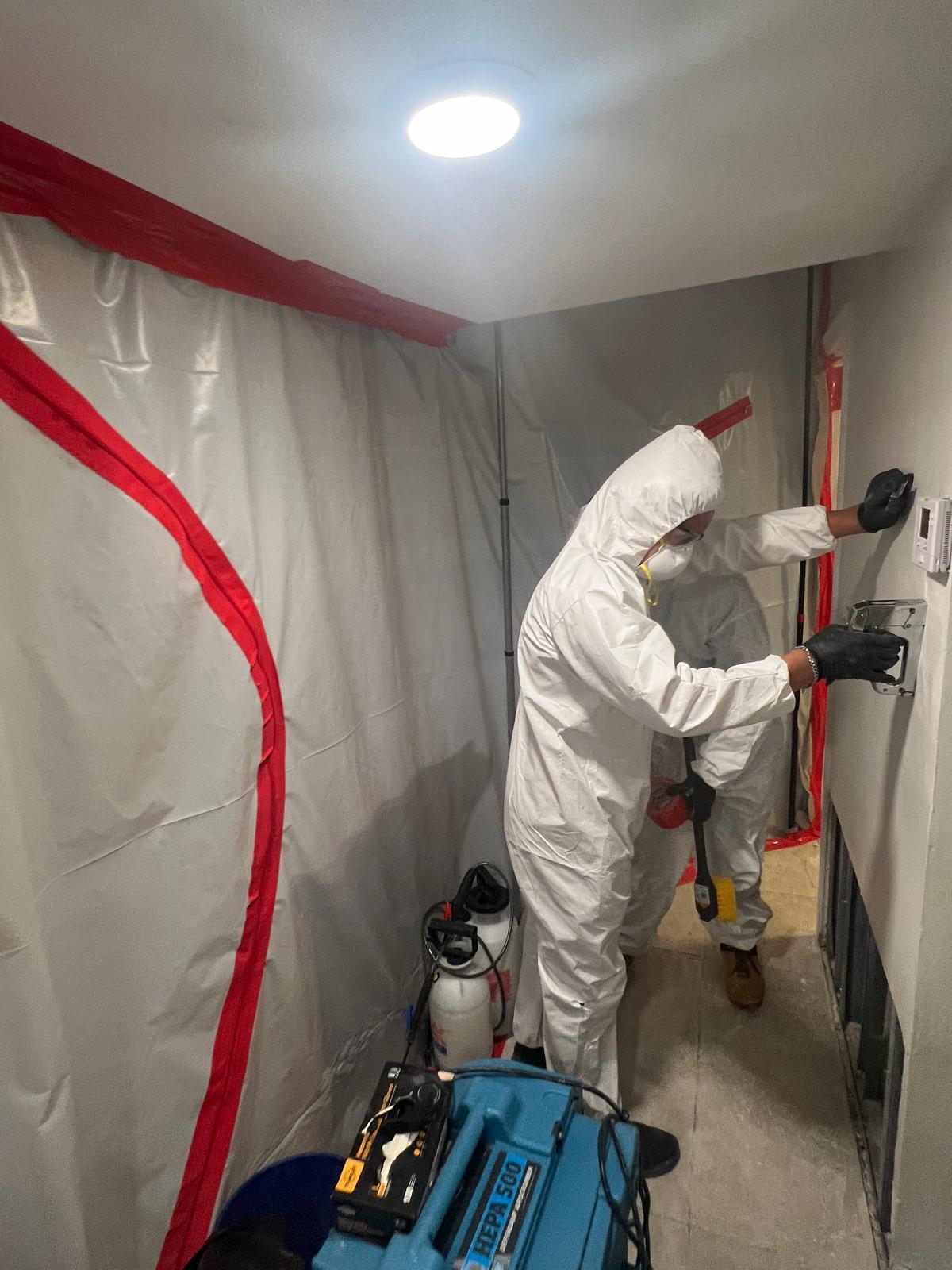
911 Mitigation Inc. coordinates all phases so a property owner has one point of contact from the first board-up through final reconstruction. The benefit of a single point of contact is that the documentation and scope carry forward cleanly — the crew that cleaned the debris knows what was removed and what the drying and reconstruction crews need to do next. When multiple companies handle different phases, documentation gaps lead to disputes, delays, and the risk that one contractor's work undoes another's.
Cost and Scope Factors
Several factors influence the scope and cost of both cleanup and full restoration:
- Fire size and area: A contained kitchen fire produces less debris and soot than a whole-structure fire, but smoke can travel far through the HVAC system regardless of fire size.
- Water volume: The amount of water introduced by firefighting efforts determines how much dehumidification and drying is needed during cleanup.
- Material type: Synthetic materials produce greasy, difficult soot; wood and paper produce dry soot. The soot type affects cleaning methodology and cost.
- Contents: The volume of salvageable versus unsalvageable contents affects pack-out, cleaning, and disposal scope.
- Structure age and condition: Older properties may have materials that are harder to clean or that require more extensive tear-out.
- HVAC contamination: When soot travels through the ductwork, the entire distribution system must be cleaned, adding scope to both the smoke cleaning and the restoration.
Timeline Differences

The cleanup phase is typically the shortest — ranging from a few days for a contained fire to about a week for a larger loss. During this phase, the crew removes debris, tears out unsalvageable materials, extracts water, and sets up drying equipment. The property is not habitable during this time due to debris, soot, drying equipment, and safety hazards.
The smoke cleaning and odor neutralization phase adds another few days to over a week, depending on the soot type and HVAC contamination. This phase must be completed before reconstruction can begin, because applying new finishes over untreated odor traps the smell permanently.
The reconstruction phase is the longest and most variable. It depends on material availability, the scope of drywall and flooring replacement, the complexity of matching existing finishes, and insurance approval timelines. Reconstruction can range from a few days for a small kitchen fire to several weeks for a whole-structure loss. For commercial properties, we phase the work and schedule after-hours whenever possible to minimize business interruption.
Documentation and Insurance
Both phases require documentation for insurance, but the documentation differs:
- Cleanup documentation: photographs of pre-existing conditions, a debris removal inventory, moisture readings from the water extraction phase, and a scope-of-work report showing what was removed and why.
- Restoration documentation: a smoke cleaning scope (surfaces cleaned, methods used, soot type identified), odor treatment records (which methods were applied where), a reconstruction scope (materials replaced, finishes matched), and a final inspection report confirming the property is dry, odor-free, and restored.
We provide both sets of documentation and can communicate directly with your insurance adjuster throughout the process. See our insurance assistance page for what we typically provide. Insurance coverage, deductibles, exclusions, and claim decisions are determined entirely by your policy and your insurance company; we cannot guarantee claim approval or a specific payment amount.
Questions to Ask Before Hiring
- Do you handle both cleanup and full restoration, or only one phase?
- What is your sequence, and how do you verify each phase is complete before moving to the next?
- How do you document debris removal and conditions for my insurance claim?
- What drying targets do you use, and how do you confirm the structure is dry?
- How do you handle smoke odor before reconstruction begins?
- Do you coordinate with licensed professionals for electrical, roofing, or structural work when required?
- What is your estimated timeline for each phase, and what factors could extend it?
Frequently Asked Questions
Can I skip cleanup and go straight to restoration?
No. Cleanup removes debris and standing water that would interfere with smoke cleaning and reconstruction. Skipping it traps odor and moisture behind new materials.
Is cleanup cheaper than full restoration?
Cleanup is a smaller scope, but the total project cost depends on the fire size, water volume, and extent of reconstruction needed. Cleanup is one phase of the total cost.
How long does cleanup take?
It depends on the size of the affected area and the volume of debris and water. A typical cleanup phase ranges from a few days to a week for larger losses.
Does insurance cover cleanup?
Most property insurance policies cover mitigation including cleanup, but coverage depends on your policy. We provide documentation to support your claim.
Do you coordinate with my insurance adjuster?
Yes. We document the scope and conditions and can coordinate with your adjuster throughout the process.
How long does full restoration take?
Reconstruction timelines vary based on scope, material availability, and insurance approvals. It can range from a few days to several weeks for larger losses.
Comparing Cleanup and Restoration for Your Property?
Call 786-334-4981 — we explain the sequence, scope, and documentation for your specific fire loss.